Sustainable Agriculture Project
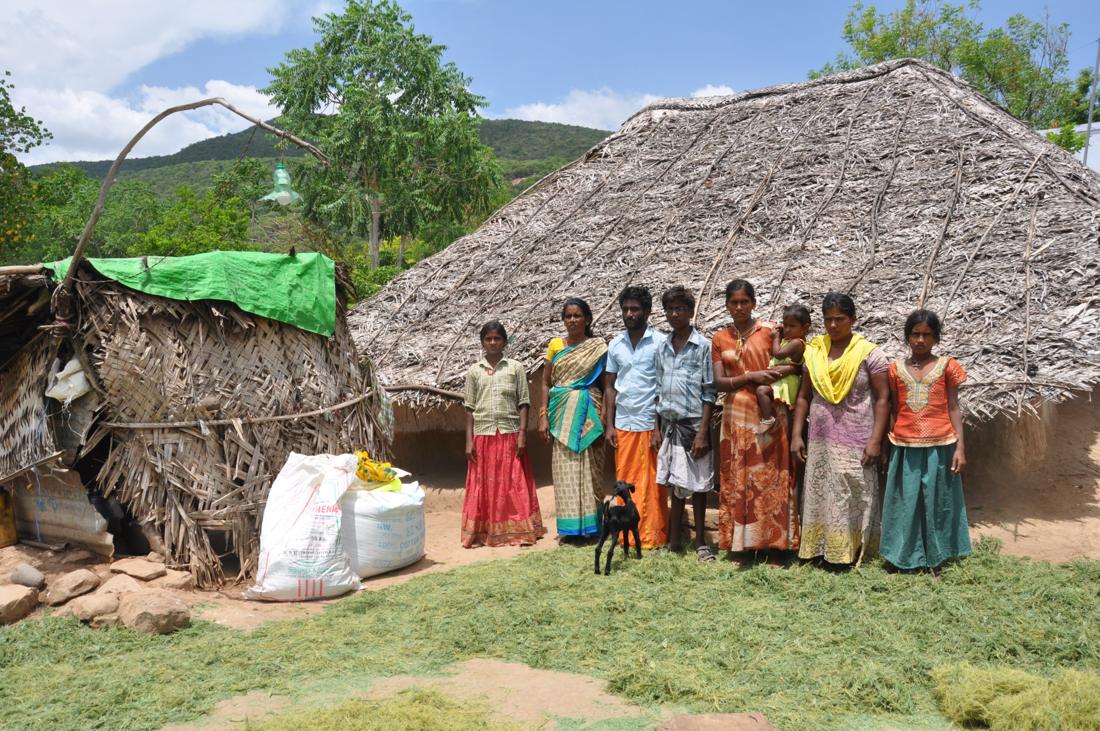
Organic, low-cost farming that turns wasteland into productive land and keeps small farmers out of debt.
- Livelihoods
- Organic farming
- Small farmers
- 750 acres
About the project
The Cauvery River is the lifeblood of Tamil Nadu’s agriculture. It flows south-east for 475 miles (765 km) through Karnataka and then Tamil Nadu.
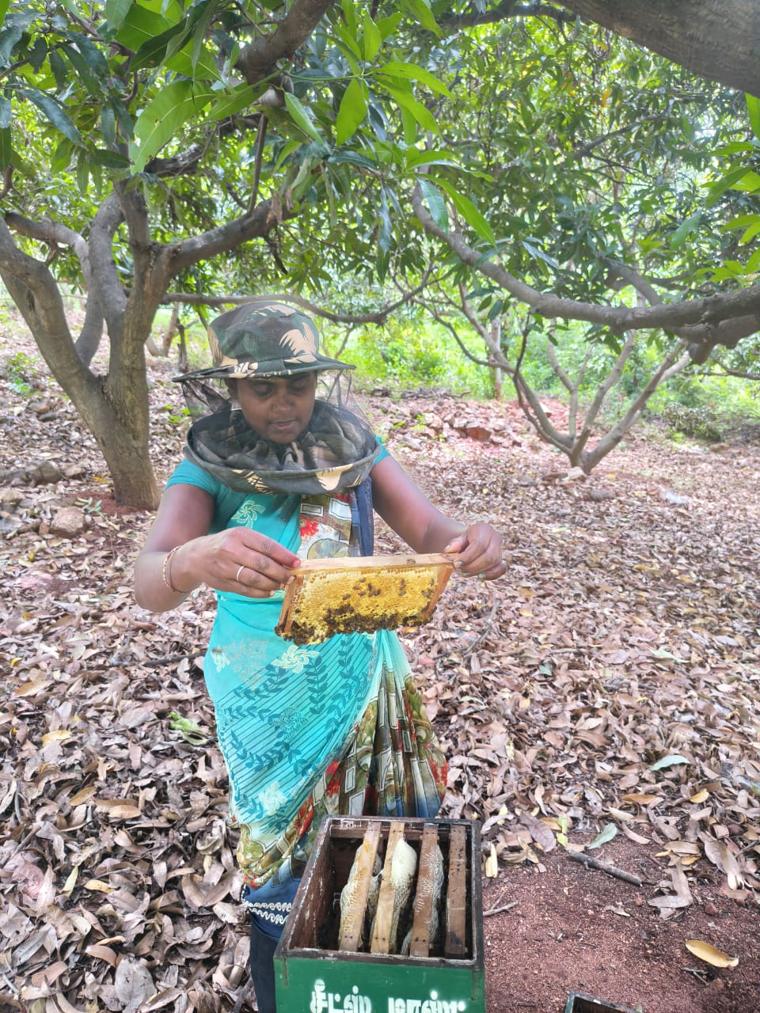
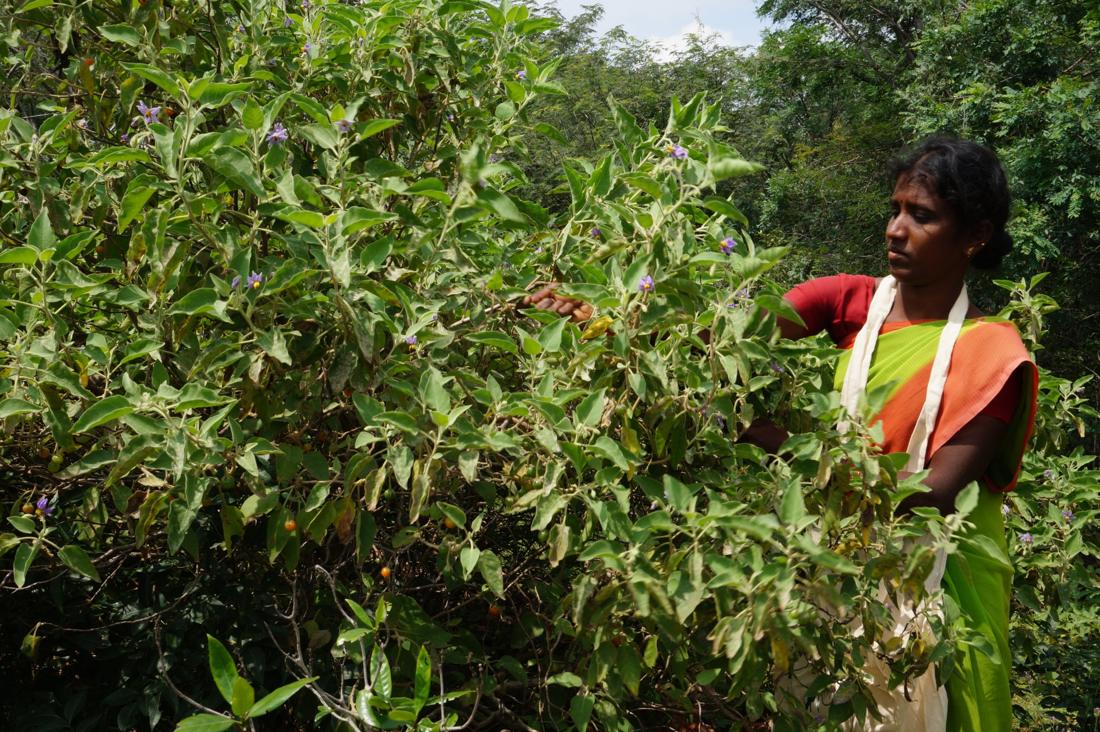
One of SEEDS Trust’s major programmes in Tamil Nadu is to transform 750 acres of semi-desert wasteland into a sustainable area that can give farming communities sustenance and income. The land is being renewed by reducing soil infertility through atmospheric nitrogen fixation, which secures economic returns through fuel wood, fodder, small timber and fruit growing.
- Programme area
- Livelihoods
- Scope
- Organic farming · small farmers
- Land
- 750 acres of semi-desert wasteland
- Implemented by
- SEEDS Trust
At a glance
- 750acres of wasteland being transformed
- 4income sources: fuel wood, fodder, small timber and fruit
- 3home-grown techniques: composting, bio-waste and biomass
- 765 kmCauvery River through Karnataka and Tamil Nadu
From farming heritage to debt trap
Why this project exists.
Farmers’ heritage
Through the centuries, farmers developed a rich heritage of eco-friendly organic technologies that gave big harvests without disturbing the ecological balance.
The new technologies
They failed to maintain nature’s own harmony and balance, and forced farmers to depend on external inputs, which led to a debt trap.
What we do
- Transform 750 acres of semi-desert wasteland into a sustainable area that gives farming communities sustenance and income.
- Reduce soil infertility through atmospheric nitrogen fixation.
- Secure economic returns through fuel wood, fodder, small timber and fruit growing.
- Share knowledge across communities about alternatives that can be organically home-grown, such as composting, bio-waste and biomass techniques.
What these techniques deliver
More production
Composting, bio-waste and biomass techniques increase farm-based production.
Conservation
Organic methods promote conservation efforts on and around the farm.
Local food security
Home-grown alternatives enhance local food security.