Integrated Tribal Development Programme
Forest-based livelihoods, village institutions and basic amenities for tribal communities in Dindigul district.
- Livelihoods
- Tribal communities
- Dindigul district
- 8 villages
About the programme
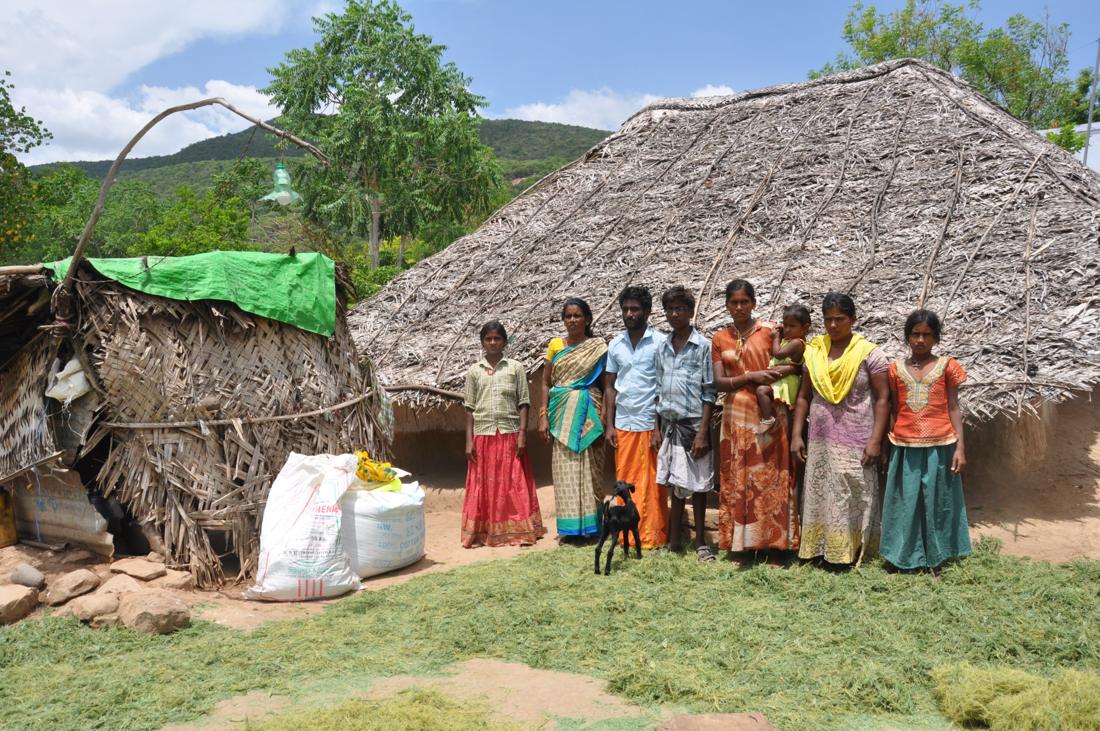
Tribal communities are an integral part of the forest ecosystem, and their economy depends on forest resources. Tribal villages are mostly enclosures located within the forest area.
To improve the productivity of forests close to tribal settlements, afforestation was undertaken over 15,000 hectares. Useful tree species were planted that yield Minor Forest Produce (MFP), bamboo, small timber and poles.
SEEDS Trust takes up social mobilisation, awareness creation and institution building in tribal areas as part of the Integrated Tribal Development Programme (ITDP).
- Programme area
- Livelihoods
- Scope
- Tribal communities · health, education, income
- Where we work
- 8 villages in tribal areas of Dindigul district
- Implemented by
- SEEDS Trust
What SEEDS Trust achieved
- 8Village Forest Councils formed and managed
- 19women’s Self Help Groups formed
- Rs. 16 lakhrevolving fund for income generation
- 800 haof forest land with water and soil conservation
- 160,000seedlings planted in forest land
Components of the programme
ITDP combines livelihoods, village institutions and planning.
Buffer Zone Activities
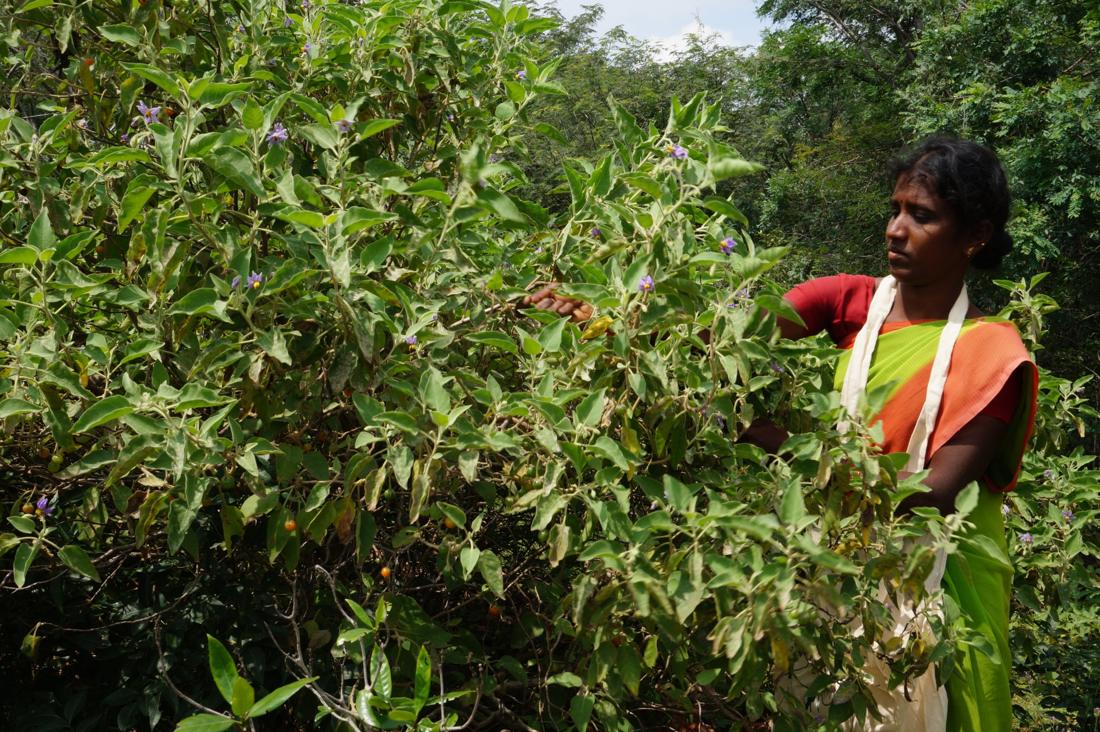
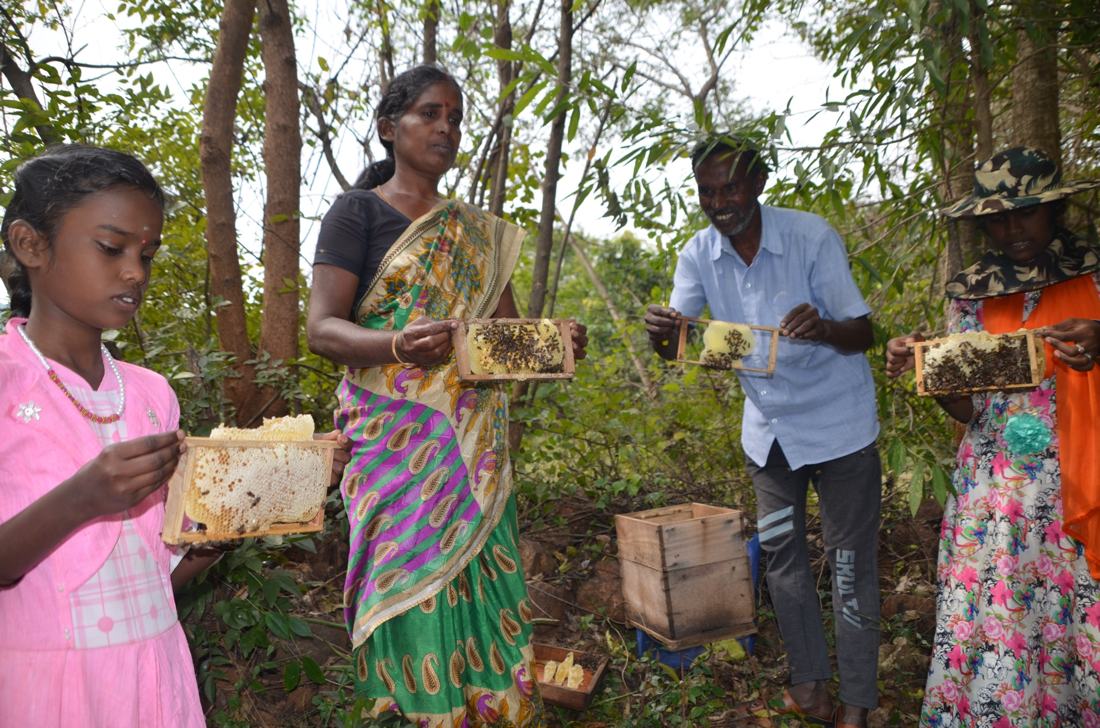
Income Generation Activities (IGA) give SHGs and individuals loans to take up alternative employment. Community Development Works (CDW) build village infrastructure such as drinking water supply and roads.
Village Forest Councils
A VFC is formed in each project village so that the community takes part in decisions about the forest next to it.
Micro plans
The VFC conducts a Participatory Rural Appraisal to understand local resources and needs, then prepares a location-specific micro plan with details of the village and adjoining forests.
Self Help Groups
SHGs are an effective tool for women’s empowerment. At least two are formed in each project village, and each member can receive a loan of up to Rs. 5,000.
How a Village Forest Council works
- Every willing household in a project village is represented in the Village Forest Council (VFC) by one man and one woman.
- The VFC elects an Executive Committee of 5 to 15 members.
- The Executive Committee elects a President.
- The Forest Ranger of the area is the Member Secretary of the VFC.
What we did in 8 villages
Our work in the tribal areas of Dindigul district.
- Participatory Learning and Action in all 8 villages, to understand the tribal communities.
- Participative micro plans prepared with the active involvement of village communities.
- Awareness through street theatre, meetings and trainings on safeguarding forests, the consequences of destroying forests and wildlife, and nature conservation.
- Basic amenities such as water, electricity and threshing floors.
- 8 Village Forest Councils formed and managed by SEEDS Trust.
- 19 women’s SHGs formed among tribal women, with a revolving fund of Rs. 16 lakh used for small income-generation activities, which reduces forest destruction.
- A bridge role between the Forest Department and tribal communities for water and soil conservation works on 800 hectares of forest land and planting of 160,000 seedlings.