
Tamil Nadu Afforestation Programme
Joint Forest Management that restores degraded forests and improves the livelihoods of the villages that depend on them.
- Conservation
- Joint Forest Management
- TAP I & II
- 12 villages
About the programme
To counter forest degradation, Joint Forest Management (JFM) was introduced in planning, conservation, afforestation and benefit sharing.
The Tamil Nadu Afforestation Project (TAP) ran in two phases, each backed by a soft loan from Japan Bank for International Co-operation (JBIC). SEEDS Trust took part through social mobilisation, awareness creation and institution building in villages of Dindigul and Karur districts.
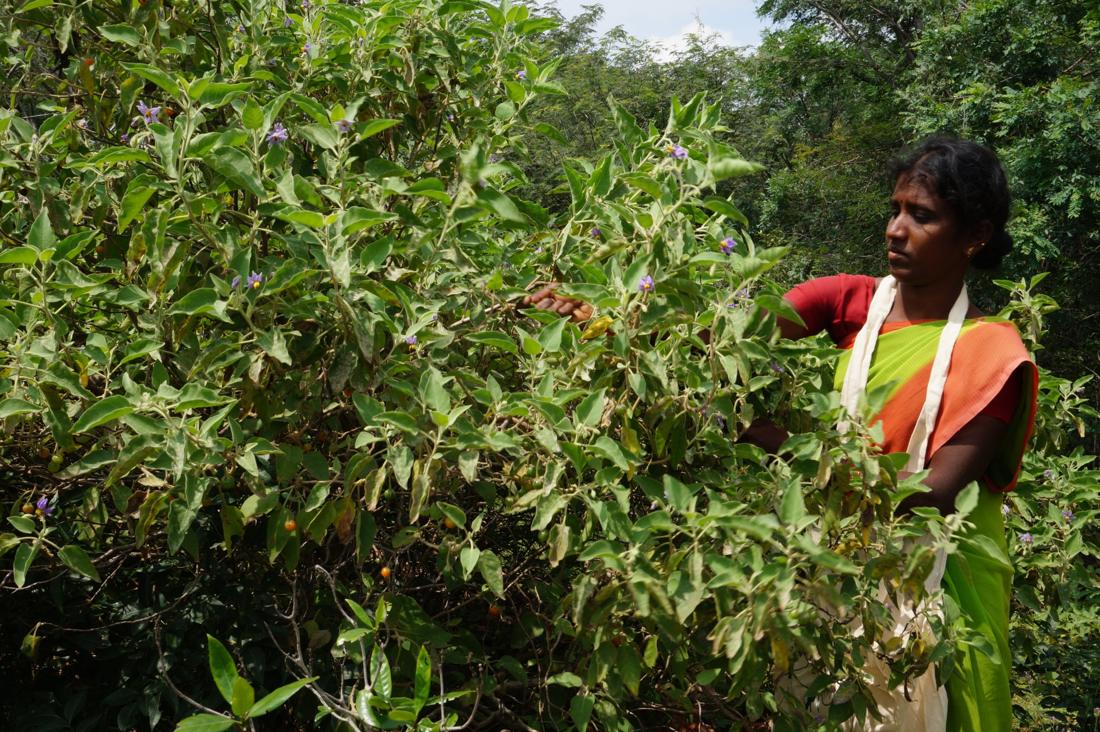
- Programme area
- Conservation
- Scope
- Joint Forest Management · TAP I & II
- Where we worked
- 12 villages in Dindigul and Karur districts
- Implemented by
- SEEDS Trust
Two phases
TAP I
- Cost: Rs. 688 crores
- Period: 8 years, 1997–98 to 2004–05
- Funding: soft loan from JBIC
TAP II
- Started on 1 April 2005, to consolidate the gains of TAP I
- Outlay: Rs. 567.42 crores
- Period: 8 years, 2005–06 to 2012–13
- Funding: soft loan from JBIC
TAP II objectives
Restore forests
Ecological restoration of degraded forests.
Improve livelihoods
Better livelihoods for people in the project villages, through afforestation by Joint Forest Management.
Reduce poverty
A contribution towards poverty reduction in the area.
What SEEDS Trust delivered
Social mobilisation, awareness creation and institution building in 12 villages of Dindigul and Karur districts.
- 12villages with Village Forest Councils formed and managed
- 28women Self Help Groups formed
- Rs. 24 lakhrevolving fund for small income generation
- 3,000 haof forest land with water and soil conservation works
- 600,000seedlings planted in reserve forest areas
Women members used the revolving fund for small income-generation activities, which reduced forest destruction. SEEDS Trust also played a bridge role between the Forest Department and local communities to carry out the soil and water conservation works and the plantation.
How the programme worked
Key components of the approach.
- People’s participation, through Village Forest Councils
- Water harvesting, through check dams and percolation ponds
- A technological thrust, with the introduction of GIS
- Integrated village development, by creating community assets
- Growth in employment
- Self Help Group formation and micro-credit

More in Conservation
Tamil Nadu Biodiversity Conservation and Greening Project
Dindigul & Karur · 412 villages · JICA
Support this workAll programmesNext: Integrated Tribal Development Programme