
Slender Loris Conservation, Ayyalur
Protecting an indicator species of the Eastern Ghats by supporting livelihoods and conservation together.
- Conservation
- Eastern Ghats
- 30 villages
- 800 farmers
Why it matters
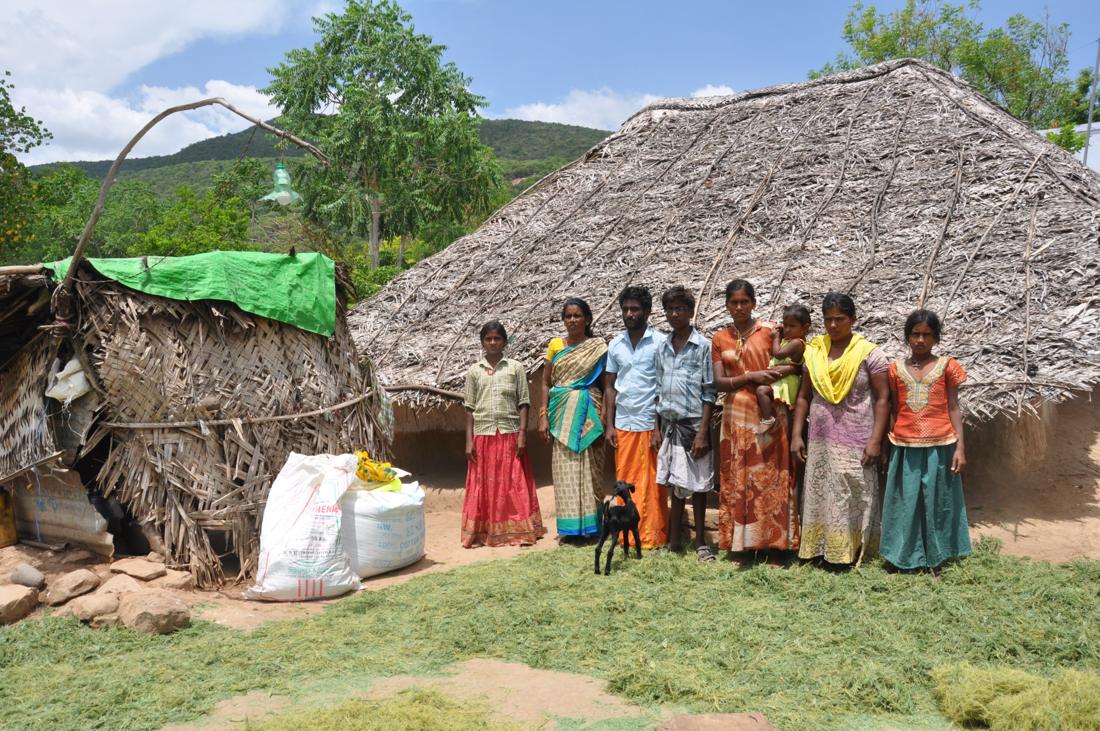
Food security of low-earning marginalised communities, especially tribes and small farming communities, is threatened by climate change and limited access to resources. Food and income insecurity pushes these communities towards livelihood methods that put a burden on urban systems (migration, social security) and rural systems (heavy mechanisation, fewer labour opportunities, dependence).
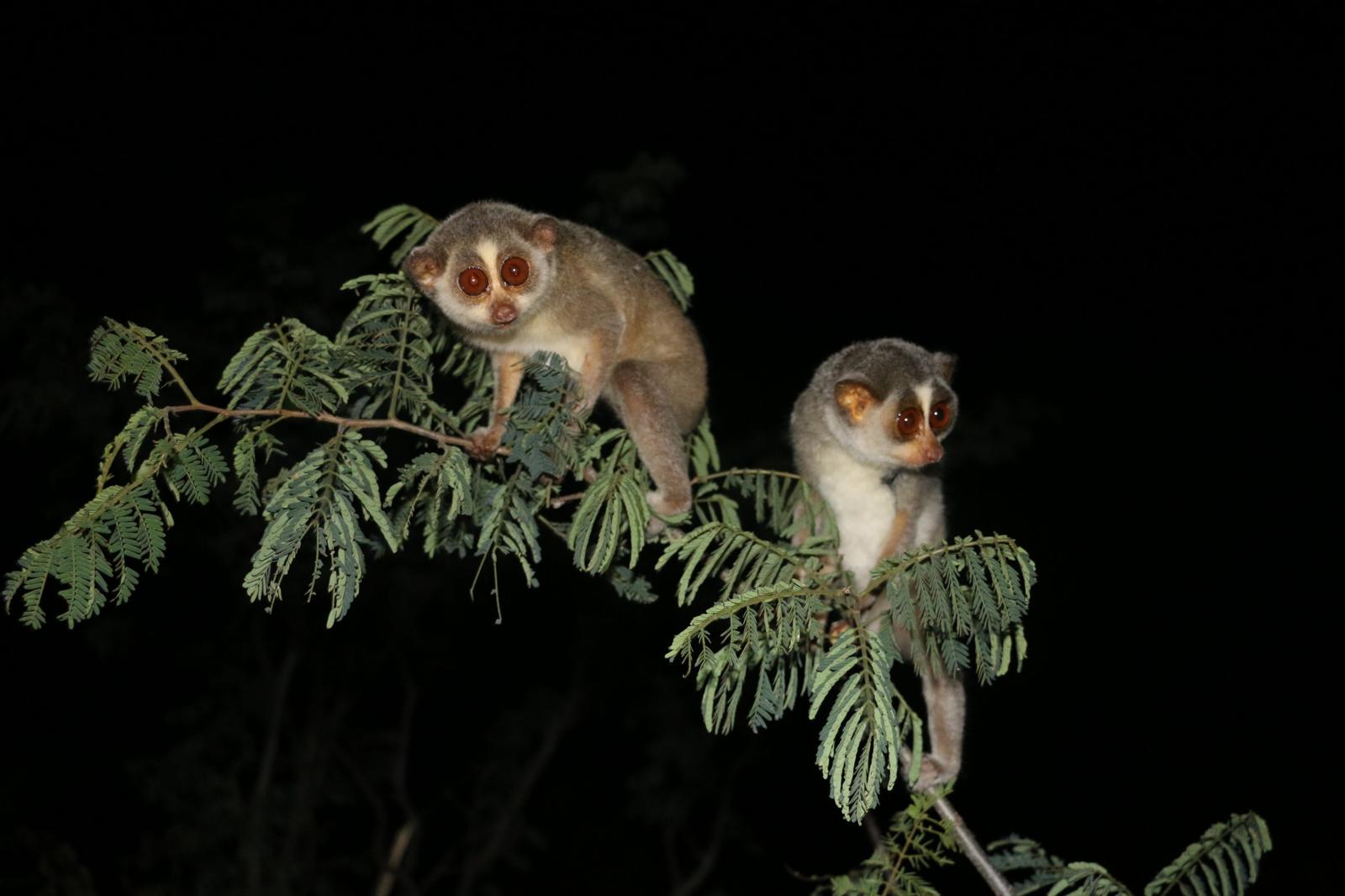
In the Ayyalur forest region this pressure shows up as destroyed animal habitats, species lost to pesticide poisoning on the forest fringes, and hunting for income. The slender loris is an indicator species in the region, so its health matters for conserving the whole habitat.
- Programme area
- Conservation
- Scope
- Eastern Ghats · 30 villages · 800 farmers
- Districts
- Dindigul, Tiruchirappalli and Karur
- Implemented by
- SEEDS Trust
Ayyalur Reserve Forest
An international biodiversity hotspot in the Eastern Ghats.
The reserve forest lies between roughly 77°13′ and 78°29′ E and 10°00′ and 10°39′ N, next to the northern slope of the Ayyalur hills and the surrounding Ghats in the Dindigul, Tiruchirappalli and Karur districts of Tamil Nadu.
It is part of the Eastern Ghats, a chain of small hills and forested highlands stretching more than 200 km, which meets the Western Ghats in places. The region hosts some of the greatest numbers of animal and plant species in India, and it is a hotspot of declining flora and fauna because of the social and economic needs of its communities.
- 200+ kmchain of Eastern Ghats hills
- 3districts: Dindigul, Tiruchirappalli, Karur
- 30villages
- 800farmers
What threatens the slender loris
The loris is declining fast in Ayyalur Forest. Fringe communities who farm with high doses of dangerous pesticides also poison the water and soil that the fragile loris depends on, and tree felling destroys habitat for many other mammals and species.
What we do
Field activities in the villages of Dindigul, Trichy and Karur districts address the key issues that affect the slender loris population.
- Awareness generation on slender loris conservation
- Group formation and training
- Training poachers in alternative livelihood methods, and supporting them
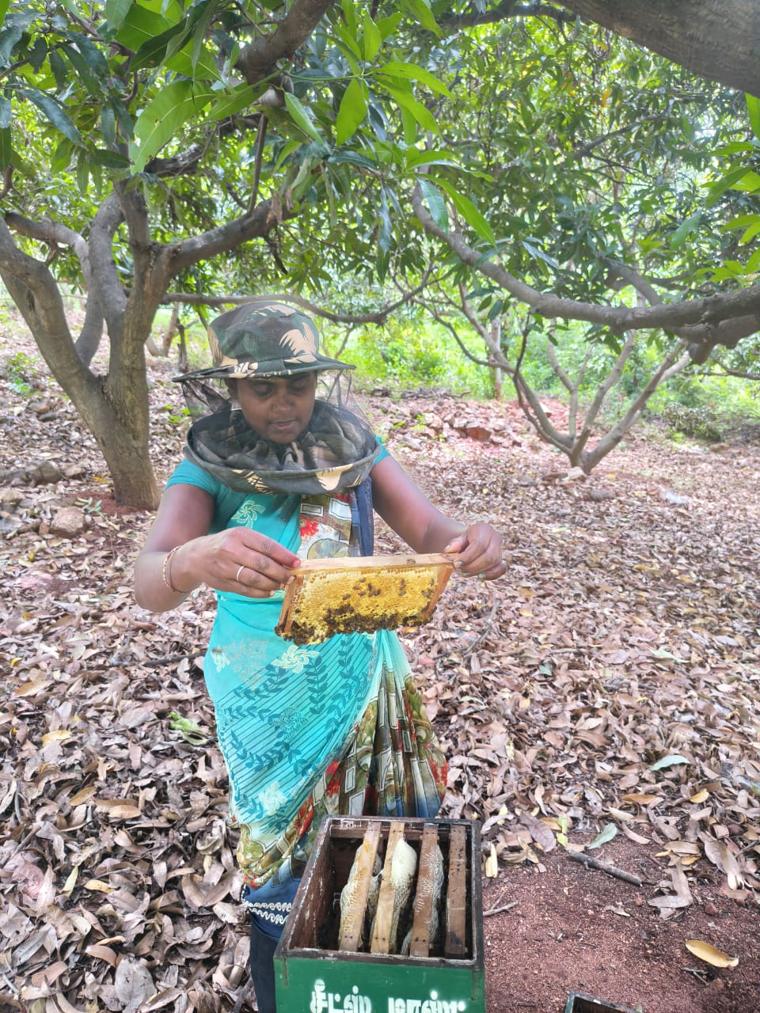
- Skill training for tribal women in adding value to non-timber forest products, to strengthen their economic status
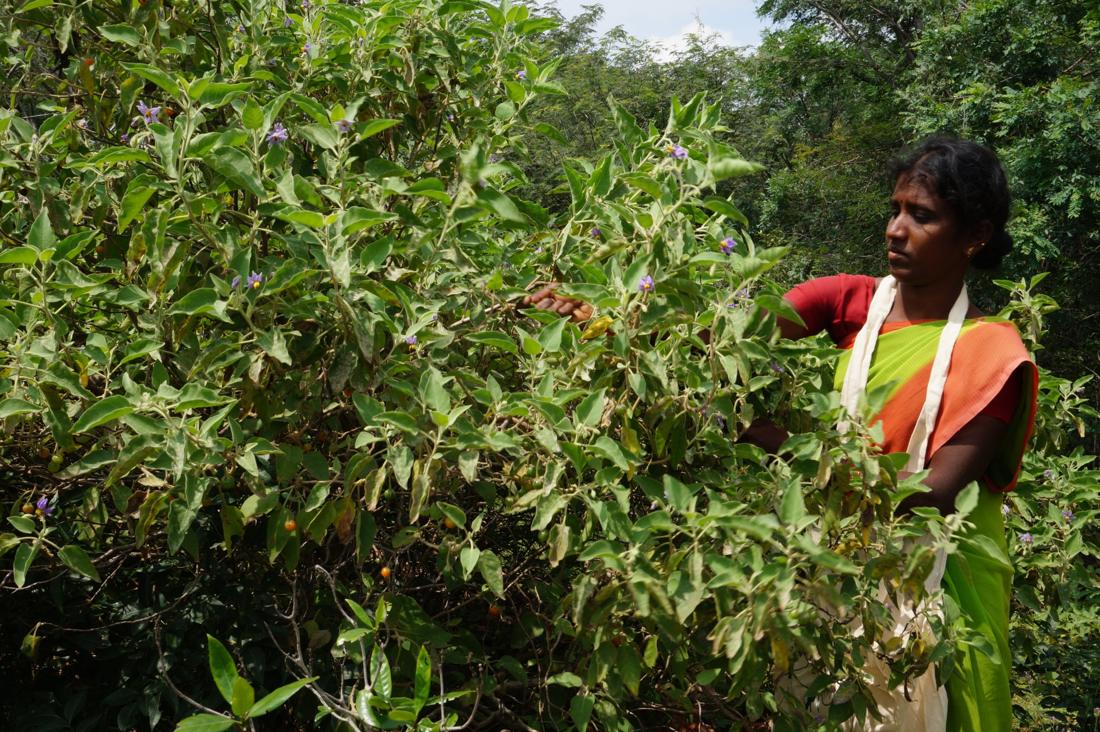
- Training and motivating vegetable farmers in fringe villages to reduce the pesticide load in their farming
- Planting trees on public and private lands
Conserving the loris, conserving the habitat
Promoting the conservation of the slender loris is a first step towards conserving biodiversity and the food security of the communities living in its habitat. We believe it will have an effect up the food chain and improve the whole habitat and the livelihoods of the communities who depend on it.
More in Conservation
Tamil Nadu Biodiversity Conservation and Greening Project
Dindigul & Karur · 412 villages · JICA
Biodiversity Monitoring after Lantana Removal
Dindigul Forest Division · Kodaikanal Wildlife Sanctuary
Support this workAll programmesNext: Mangrove Conservation at Pandiyar Estuary